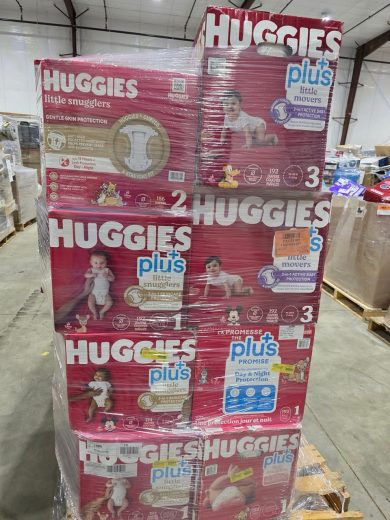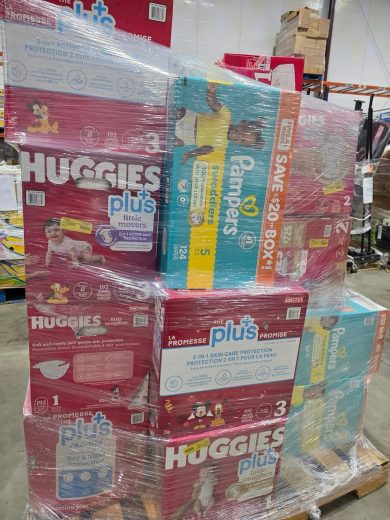
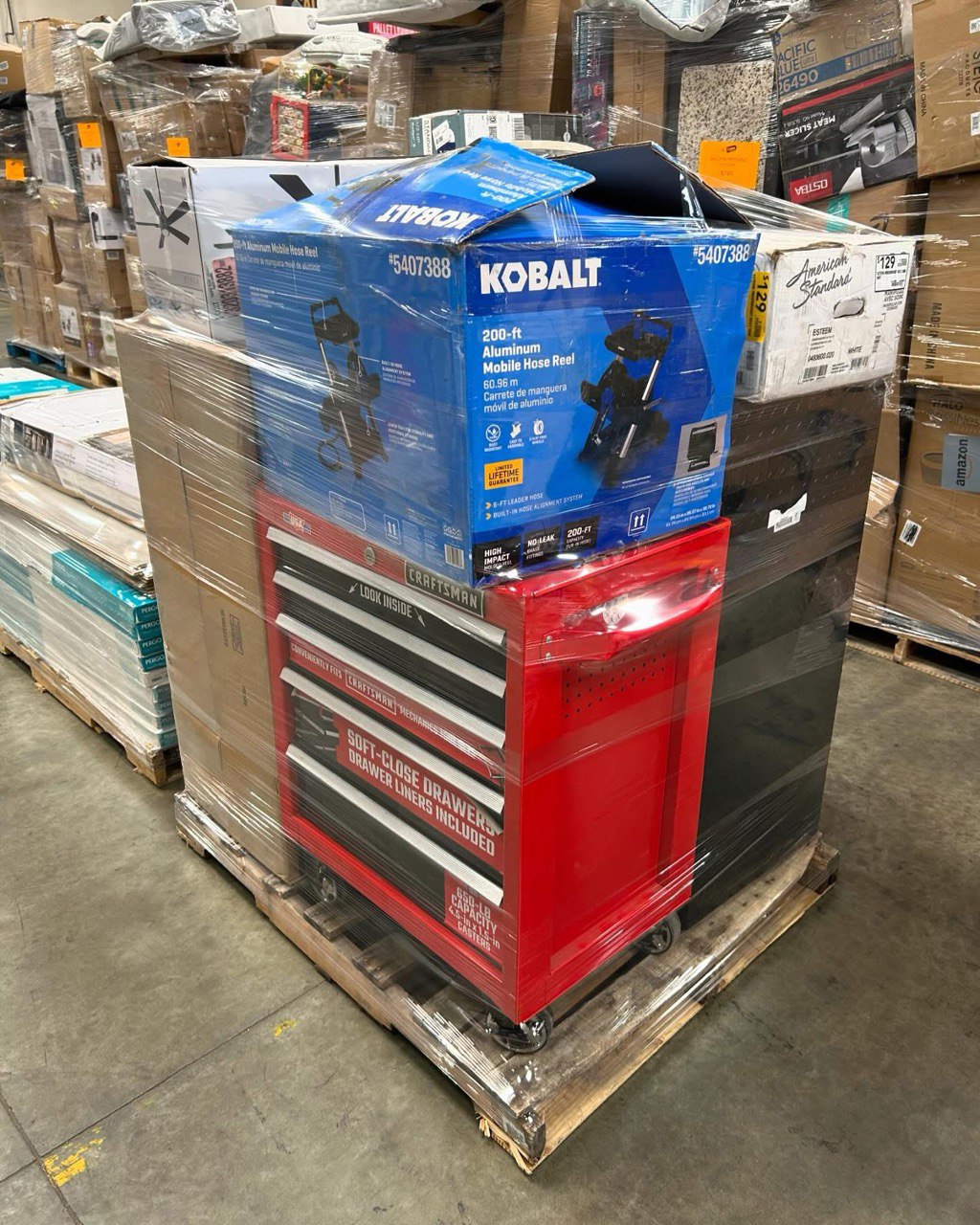
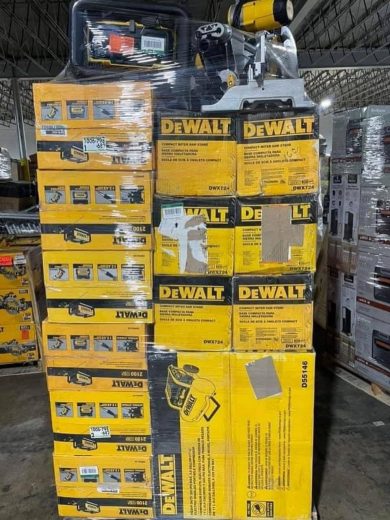
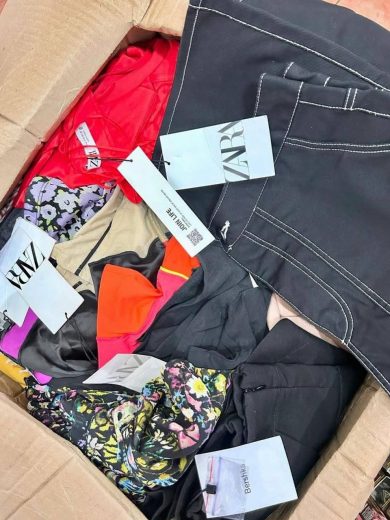
Buy Target Pallets for Sale (1 pallet-$550)
$550.19
Status: In Stock – Limited Quantity
Seller: Verified liquidation suppliers offering loads from Target’s overstock, returns and shelf-pull inventory.
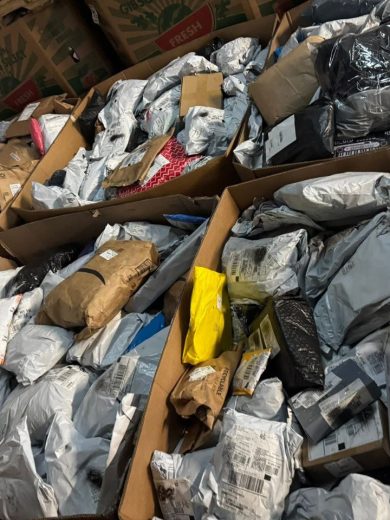
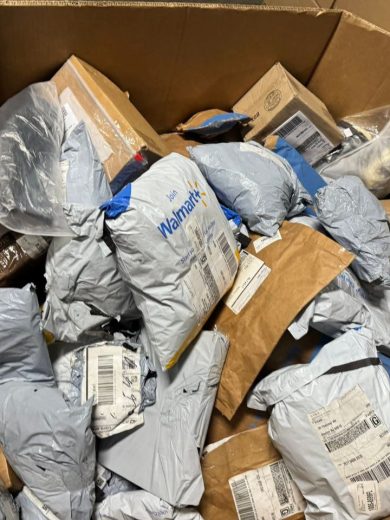
Source: Short-packed loads from Target stores/distribution centres: overstock, returns, customer returns, seasonal surplus and shelf pulls.
Condition: Mixed – typically 60-90% new/unsold, remainder open-box, returns or minor damage. (Depending on load type)
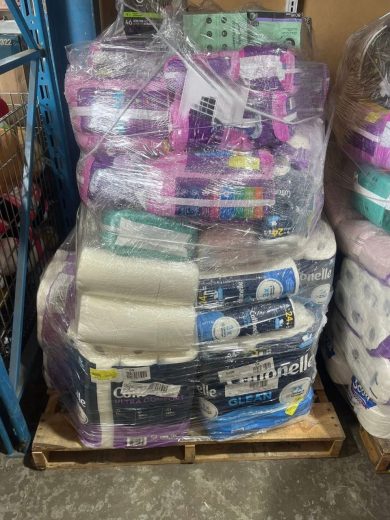
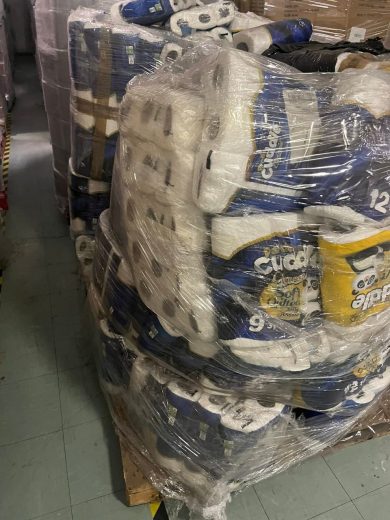
Items per Pallet: Standard pallet 48″x40″ may contain dozens to hundreds of units; full truckloads often ~24 pallets (~3-5 FT tall each) or more than 7,000 items.
Distribution Agreement Required: Yes — many liquidators require business resale certificate or license to purchase.
Shipping Area: Freight delivery within United States; international buyers may use freight forwarders or logistics services.
Detailed Breakdown by Product Type
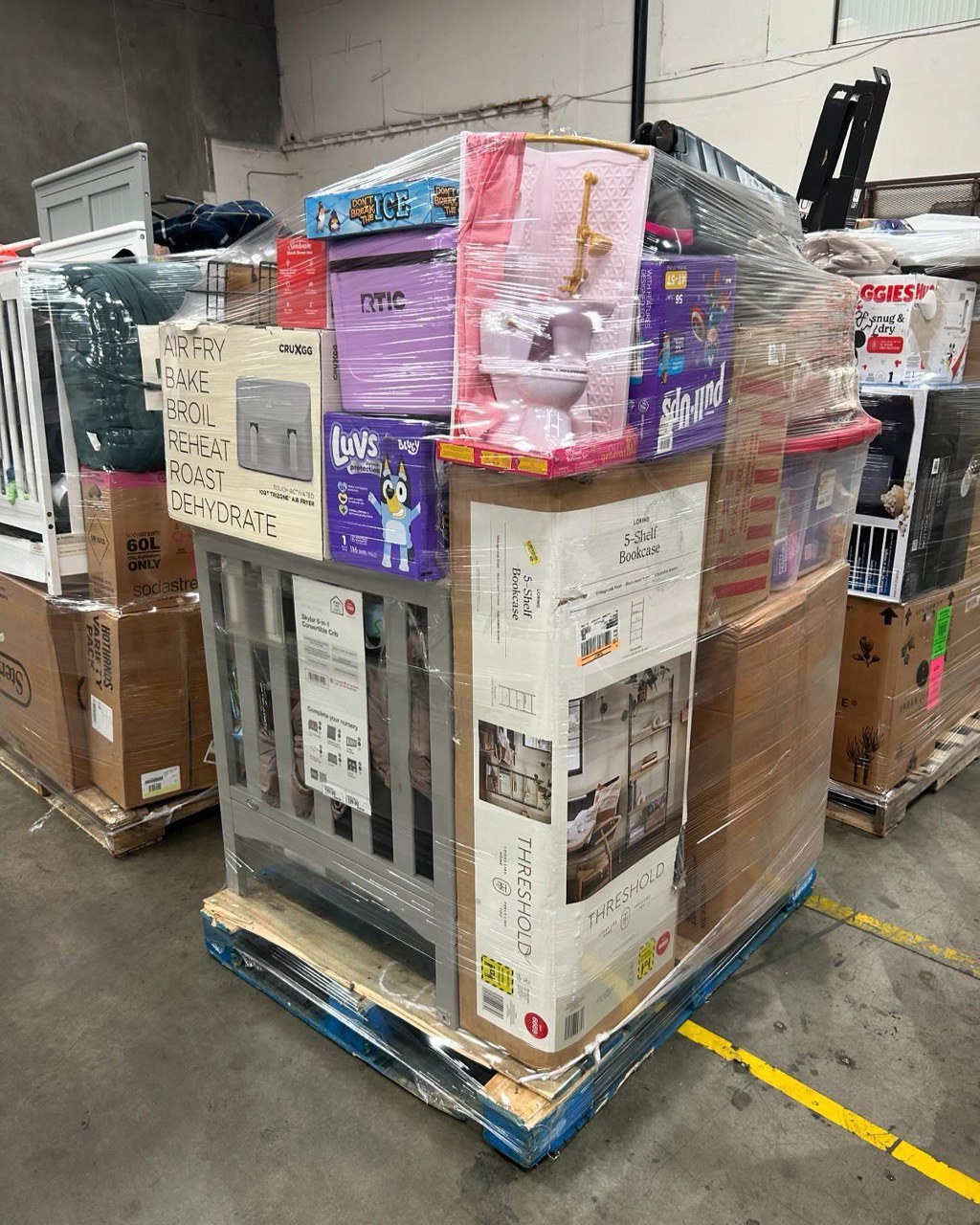
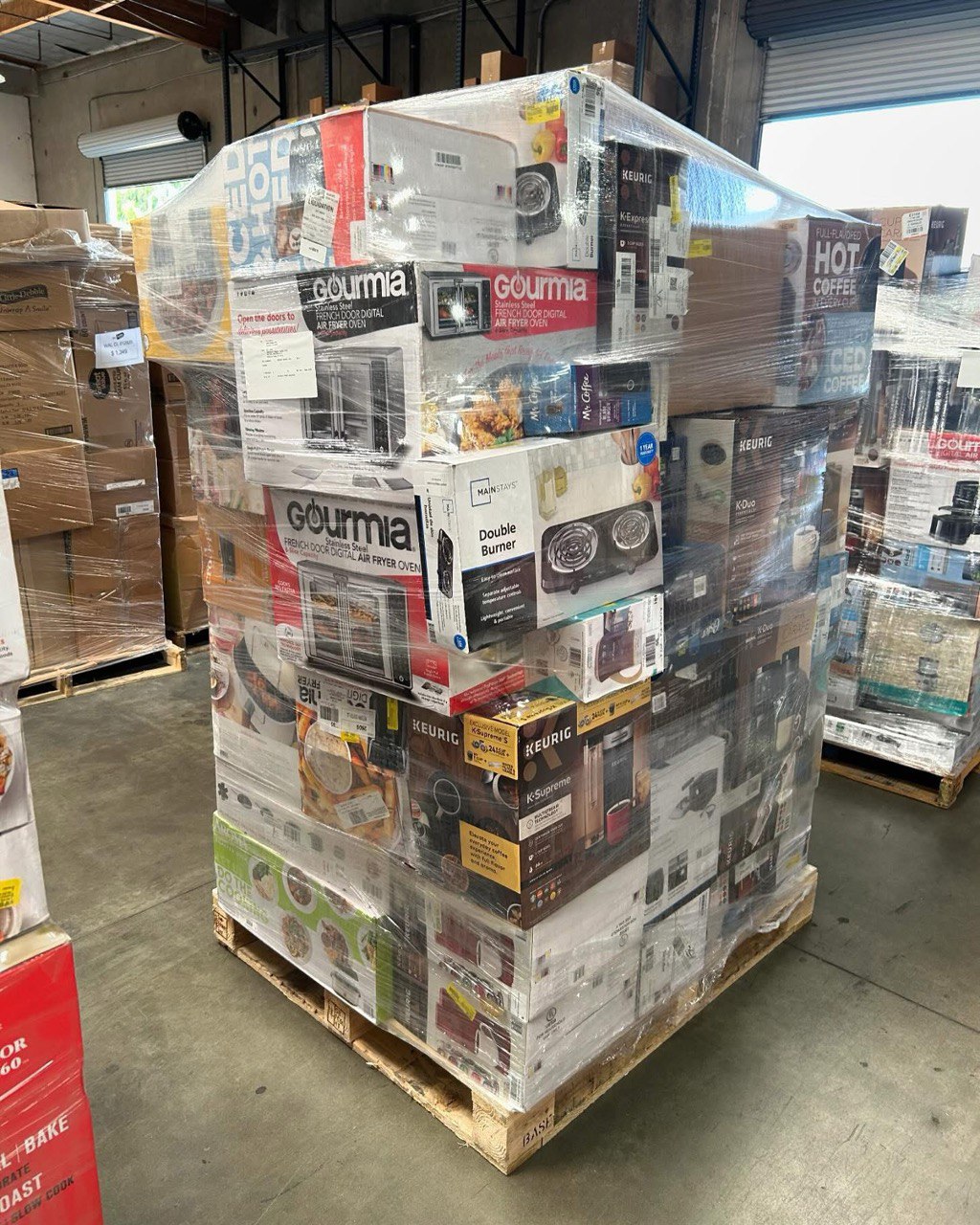
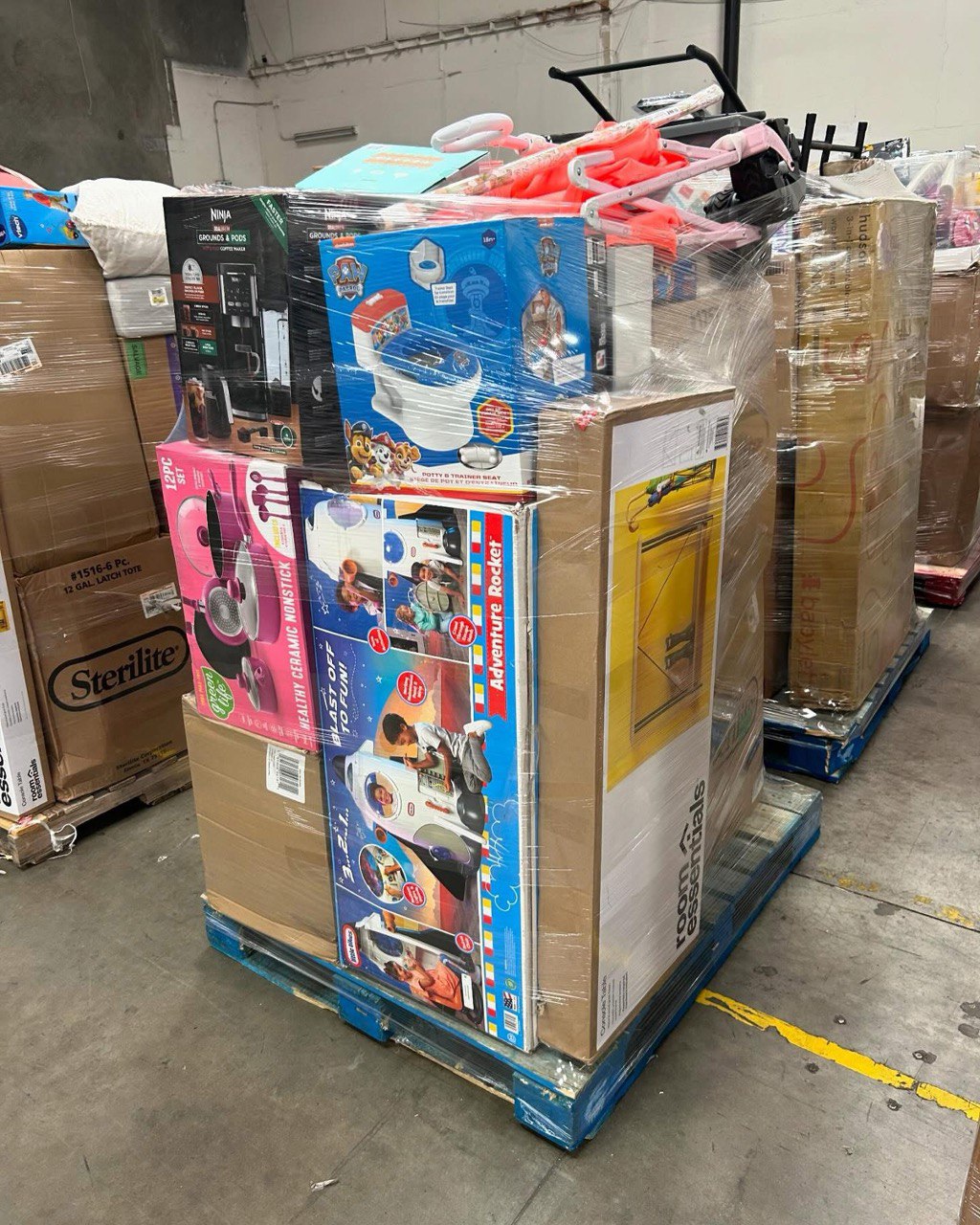
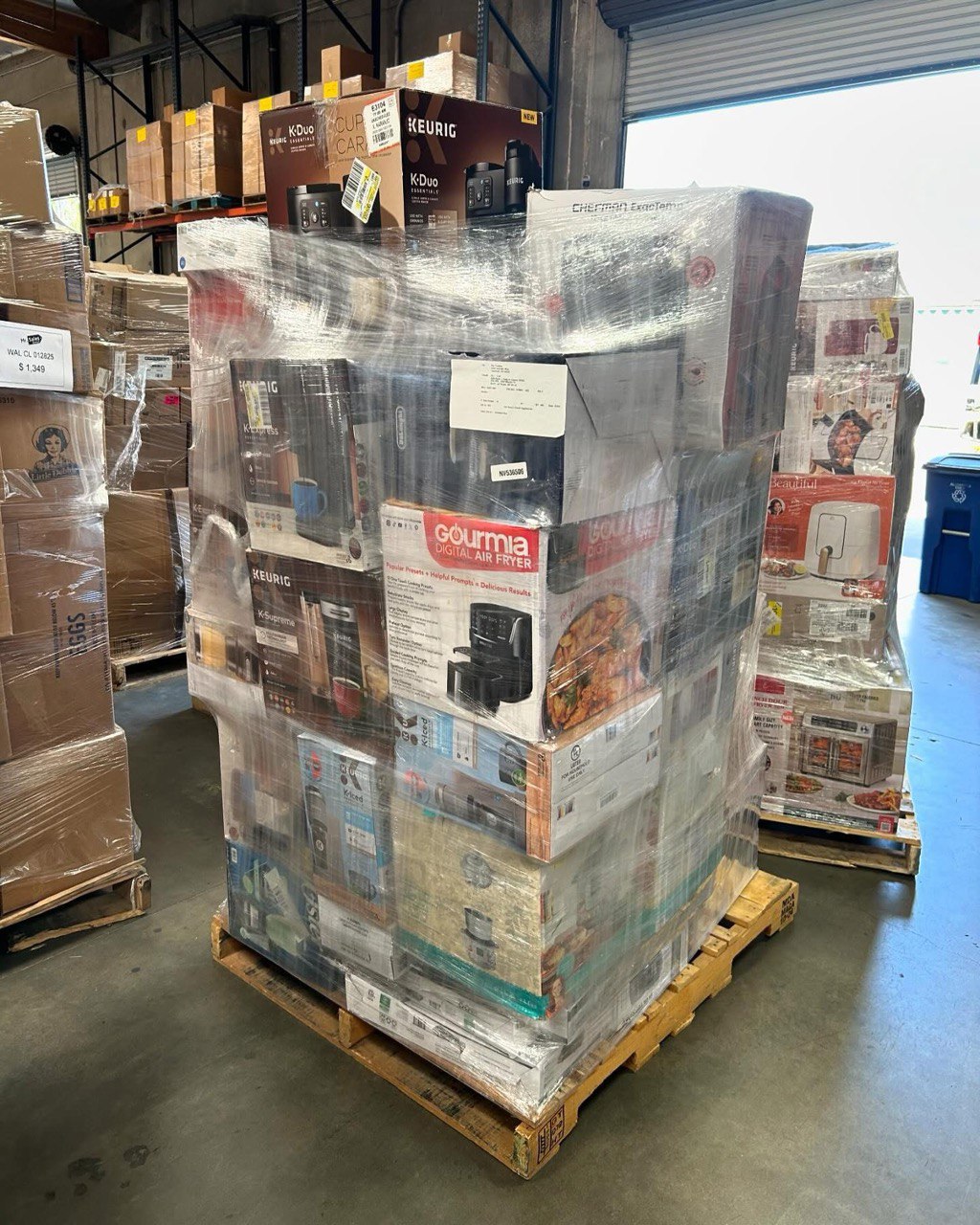
Below is a realistic example of what commonly appears inside Target liquidation pallets. Quantities may vary per pallet.
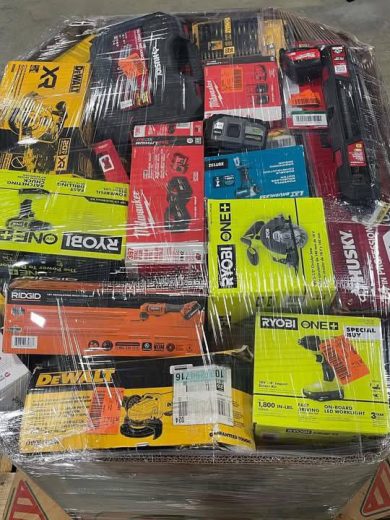
Electronics (35 to 55 Items)
Sizes and Packaging: Mix of sealed retail boxes and tested-open box units
Notes: Often includes small home tech, earbuds, Bluetooth speakers, smart home accessories
Home & Kitchen (40 to 70 Items)
Items include cookware sets, kitchen gadgets, small appliances
Notes: High resale demand and easy to ship
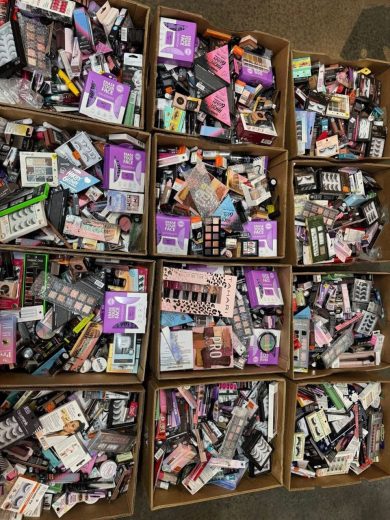
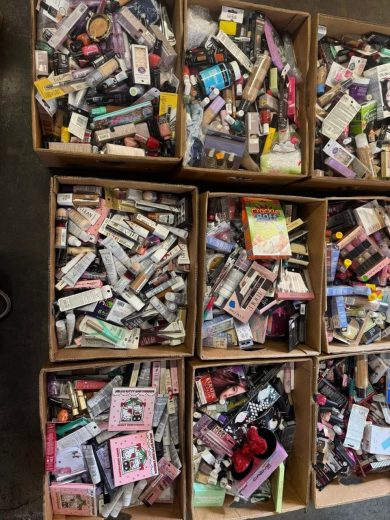
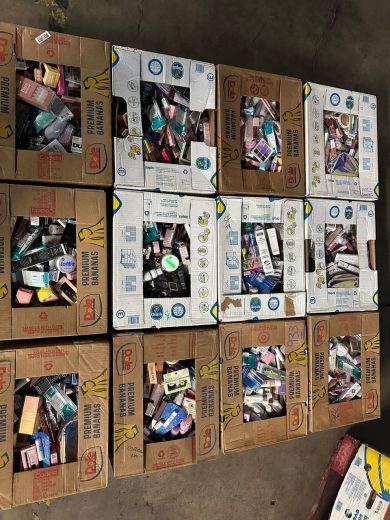
Beauty & Personal Care (30 to 50 Items)
Sizes: Full-size and travel-size mixes
Notes: Includes hair tools, skincare devices, premium makeup
Toys & Kids Products (25 to 40 Items)
Sizes: Standard boxed toys and seasonal items
Notes: Great margins around holidays
Clothing & Apparel (20 to 40 Items)
Sizes: Mixed adults and kids apparel
Notes: New with tag or like-new returns
Example Manifest Breakdown (Realistic Mix)
Total Items: Approx. 200
General Merchandise (Approx. 80 Items)
• Home Decor: 25 items
• Kitchen Tools: 30 items
• Bedding and Bath: 25 items
Electronics and Small Appliances (Approx. 50 Items)
• Bluetooth Speakers: 10
• Headphones and earbuds: 15
• Smart Home Devices: 10
• Small Appliances (toasters, kettles, handheld vacs): 15
Beauty and Personal Care (Approx. 40 Items)
• Hairdryers and styling tools: 10
• Skincare devices: 10
• Makeup and beauty sets: 20
Toys and Seasonal Items (Approx. 30 Items)
• Action figures: 10
• Board games: 10
• Kids learning toys: 10
Key Takeaways
- Target Inventory is Scalable: Accessing Target’s high-volume B2B liquidation channels is the only way to scale your reselling business consistently.
- Keywords are Currency: Use precise search terms like “Target B-Stock” and “Target truckloads” to find the highest value inventory first.
- Transparency is Trust: Always seek manifested loads and build a business model around transparently grading and selling return merchandise.
- Value is in Processing: Your profit margins are maximized by an efficient, professional process for handling customer returns, turning damaged goods into usable profit.
Target Pallets For Sale
If you are serious about liquidation, understanding the term “Target pallets for sale” goes beyond a simple product search. It signifies a vast, reliable supply of consumer goods ready to be channeled back into the secondary market. These loads are generally categorized not just as single pallets but as case packs and full truckloads.
The inventory housed in these loads is diverse, often including liquidation overstock, clearance items, B-Stock (refurbished or slightly damaged box), and, most commonly, customer returns. The sheer volume and brand recognition of Target merchandise make these pallets a perennial favorite for bulk buyers, providing the necessary inventory to supply everything from small online shops to full-scale bin stores. The key is knowing how to consistently access this high-demand stock.
What Are The Main Keywords For Finding Target Pallets And Truckloads?
A common mistake among new buyers is using only generic search terms. The sophisticated reseller knows that the correct keywords unlock superior, often unlisted, inventory. Target’s liquidation partners use specific terminology to categorize and advertise their merchandise, which should guide your search.
Using a combination of category and condition keywords will narrow your results, allowing you to find higher-value loads before the general public. For instance, searching “Target electronics liquidation” targets a higher-value category than a broad search.
The table below breaks down the most effective keyword combinations that veteran buyers use to source the best Target inventory.
| Keyword Category | Examples of High-Intent Search Terms | Inventory Type Found | Why It Matters |
| Brand + Volume | Target Truckloads, Target Case Packs, Wholesale Target Lots | Bulk quantities, lower per-unit cost | Necessary for scaling and securing freight savings. |
| Brand + Condition | Target B-Stock, Target Returns, Target Salvage Loads | Specific quality grades | Helps project potential margins and rework costs. |
| Brand + Liquidation | Target Liquidation Pallet, Target Auction Merchandise | Direct results from official channels | Leads directly to the main supply source. |
Understanding this keyword matrix is crucial. It directs you away from outdated marketplace listings and toward the primary B2B auction platforms, where the most profitable deals originate. By targeting terms like “Target B-stock,” you are often getting inventory that is nearly new at a liquidation price. Ready to apply this strategy? Request our updated sourcing guide to learn the exact platforms we use.
Where Can I Find Target Pallets For Sale And Target Liquidation Pallets Near Me?
The location of a load—the “near me” factor—is directly tied to your profitability due to shipping costs. While purchasing locally can save significantly on freight, the majority of Target’s top-tier liquidation inventory is consolidated and sold through national distribution networks.
For individual pallet purchases, local auctions or smaller, regional liquidators may offer closer pick-up points. However, to access consistent, full truckload volume, you must engage with the national liquidation networks. These large-scale operations allow you to source from Target’s centralized hubs across the US, offering a continuous supply far exceeding what a single local contact can provide.
Where Does Target Sell Their Returns And Liquidated Merchandise?
Target, like most major retailers, has largely phased out selling their returns and overstock directly to individual resellers. This strategic shift is designed for efficiency and volume management. Instead, they partner with a select group of authorized, major third-party liquidation marketplaces and distributors.
These B2B platforms act as the official funnel for vast volumes of Target inventory. By using these channels, Target can move hundreds of truckloads weekly, ensuring a steady, high-volume supply for serious resellers. This is where Largo Pallets focuses its efforts, connecting clients directly to these vetted platforms to ensure authenticity and consistent supply.
How Can I Buy Target Pallets And Target Liquidation Pallets?
Acquiring Target pallets involves a few essential, action-oriented steps. The process differs significantly depending on your intended volume, which is why we guide clients toward full truckloads whenever possible to maximize unit margin.
The first step is always registering and receiving verification on the official B2B platforms. This often requires submitting a reseller certificate or business license. Once verified, you can access the sealed-bid auctions and Buy-It-Now listings.
Selling Point: Start buying Target liquidation pallets today—Unlock exclusive access to raw truckloads and overstock deals by registering on our preferred liquidation partner sites! Request a quote to receive our vetted list and start the process.
How Can I Buy Liquidation Pallets Direct From Target Or Major Retailers?
You cannot physically buy “direct” from a Target store manager. However, the B2B liquidation platforms are the closest thing to buying direct. They operate under contract to process and sell the retailer’s massive surplus.
Our strategy is to help you establish yourself as an authorized buyer on these platforms. This involves:
- Business Registration: Ensuring your business paperwork is current and filed correctly for tax-exempt purchasing.
- Platform Vetting: Guiding you through the application process for Target’s exclusive auction sites.
- Bidding Strategy: Preparing you with data on past auction prices to ensure profitable bids.
For those interested in the most common categories, the following table illustrates the typical volume distribution in a full truckload of Target returns:
| Inventory Category | Approx. Percentage of Load | Avg. Resale Value (per unit) | Typical Condition |
| General Merchandise (GM) | 40% | Low-Mid ($5-$15) | Mixed Customer Returns |
| Apparel/Soft Goods | 30% | Mid ($10-$25) | New/Like New to Damaged |
| Home Goods/Small Furniture | 20% | Mid-High ($20-$50) | Returns/Damaged Packaging |
| Seasonal/Clearance | 10% | Varies | Overstock/Shelf Pulls |
This mixed-load approach ensures a diverse inventory, lowering the overall risk associated with betting on a single category. By diversifying, you guarantee that even if one segment underperforms, another will likely carry the profitability.
What Should I Know About Target Liquidation Pallets And Target Auction Liquidations?
The most consistent flow of Target merchandise is managed through an auction format. This method ensures fair market pricing based on current demand. You will primarily encounter sealed-bid auctions, where all bids are submitted and the highest bidder wins the lot.
Understanding the cycle of a liquidation event is crucial. Target’s volume is cyclical, spiking after major holidays like Christmas and back-to-school season. Savvy buyers position themselves to bid on this influx of fresh inventory.
Why Do Target Liquidations And Target Auctions Exist?
Target’s liquidation strategy is a necessary business function driven by three main factors:
- Returns Management: The high volume of customer returns must be processed and removed quickly to clear valuable warehouse space (Source: A detailed look at retail returns and waste management in the US).
- Shelf Space: Seasonal merchandise and overstock must be cleared to make room for new inventory, often sold at deep discounts through liquidation.
- Financial Recovery: Selling liquidated assets, even at a fraction of the cost, allows Target to recover capital that would otherwise be lost.
This creates a high-volume, continuous supply chain for you. For reliable, long-term sourcing, always look for partners who can prove a direct relationship with these authorized B2B channels. Don’t leave your sourcing to chance; secure a reliable supply pipeline today.
Are Target Pallets Worth The Investment And What Is In Target Return Pallets?
The short answer is yes, Target pallets for sale are absolutely worth the investment, provided you manage risk through due diligence. Target’s return pallets are typically “untouched” or “raw,” meaning they have not been cherry-picked, offering the highest potential value but also the highest risk.
What is inside these loads is often a snapshot of general consumer spending: electronics, home decor, small appliances, and apparel. The inherent risk is that 10–20% of the items may be non-functional or severely damaged. Your profitability is determined by your ability to efficiently process, test, and remarket the remaining 80%.
A great success story we often see involves a reseller purchasing a raw GM truckload for $\$7,500$ with an estimated retail value of $\$40,000$. After sorting, their net profit before overhead was $\$11,000$. This kind of margin is possible when you source from verified loads.
How Much Does A Target Store Return Pallet Cost And What Determines The Value?
The price you pay is a complex function of several variables, not just the retail value of the contents. Understanding these factors is key to bidding successfully and profitably.
- Manifest Value (MSRP): The documented retail value of the items. The pallet is often sold at $15\%$ to $30\%$ of this value.
- Condition: A-stock (new) commands a higher percentage than raw customer returns.
- Category: Electronics and high-end home goods always attract premium bids.
- Auction Demand: Highly sought-after categories drive up the final sale price.
The cost can range dramatically. A small, single pallet of unmanifested returns might start at $\$400$, while a full truckload of manifested, high-value electronics could cost upwards of $\$25,000$ to $\$40,000$.
| Pallet Type | Typical Condition | Cost Range (as % of Retail) | Estimated Purchase Price (Truckload) |
| GM Customer Returns | Raw, Untested | 15% – 25% | $7,000 – $12,000 |
| Category-Specific (e.g., Tools) | B-Stock/Shelf Pulls | 25% – 35% | $10,000 – $18,000 |
| Overstock/Clearance | New, Undamaged Box | 30% – 40% | $15,000 – $25,000 |
This data shows why specializing in B-Stock or Overstock can lower your processing costs significantly, even if the purchase price is slightly higher. For guidance on current market rates, check availability for our latest Target load listings.
What Types Of Target Merchandise Are Included In Wholesale Loads?
Target’s vast inventory means their liquidation loads are highly varied. The most common types of merchandise include:
- Apparel and Clothing: Seasonal returns and overstock, typically sold in large pallet quantities.
- Electronics: Small consumer electronics, accessories, and home gadgets, a high-value category.
- Home Goods/Decor: Kitchenware, bedding, and decorative items.
- General Merchandise (GM): A mix of low-value, high-piece count items often used to fill a truckload.
We often specialize in what is known as “High Piece Count” (HPC) truckloads, which are excellent for volume resellers and exporters. These loads offer the lowest cost per unit, making them ideal for high-volume sales like those found in bin stores.
Are Target Return Pallets Considered Wholesale Or Overstock?
The vast majority of Target pallets for sale are sold on a business-to-business (B2B) wholesale basis. The purchase is almost exclusively in bulk quantities, moving merchandise out in full truckloads or large, multi-pallet lots.
Terms like “RAW truckloads” or “wholesale loads” define this B2B scale. Unlike retail purchasing, wholesale liquidation requires a high-volume commitment but offers an exponentially lower cost per unit. While “overstock pallets” are one type of load (new, undamaged goods), “customer returns” are the most common and frequent type sold in wholesale.
What Are The Benefits Of Buying Customer Returns From Target In Bulk?
For the established reselling business, buying Target customer returns in bulk offers unparalleled strategic advantages:
- Lowest Cost Per Unit: The highest volume ensures the maximum discount off MSRP, directly boosting your profit margin.
- Volume for Operations: Provides the consistent, massive inventory required for large-scale operations like multiple retail storefronts or export businesses (Source: U.S. Government data on wholesale trade and inventory).
- Consistent Sourcing: Target’s constant flow of returns provides a reliable, year-round source of inventory, eliminating the need to constantly scramble for goods.
Selling Point: Leverage our wholesale expertise to scale your reselling business—we connect you with Target wholesale loads, specializing in high-demand electronics and clothing! This is the strategic move toward stable, predictable inventory.
What Are The Best Reselling Methods For Target Clothing Pallets And Other Merchandise?
Once you receive your Target liquidation load, the next step is maximizing the resale value. Your reselling method must align with the inventory you received.
- Clothing Pallets: Excellent for flea markets, local consignment shops, or bulk lot sales on Facebook Marketplace, where shoppers are looking for known brands at deep discounts.
- Electronics/Appliances: Best sold through specialized online marketplaces (eBay/Amazon) after rigorous testing and grading.
- General Merchandise: Ideal for local bin stores, small, inexpensive lots, or bulk sales to a smaller regional buyer.
Your ability to maximize profit hinges on speed and accurate grading. The quicker you can process the load, the faster you convert inventory into cash flow.
How Can I Flip Pallet Merchandise On Amazon Or eBay For Maximum Profit?
Selling Target liquidation merchandise on major e-commerce platforms requires precision and transparency.
- Grade Relentlessly: Every item must be categorized: New, Like-New (Open Box), or Used/Damaged. This honesty builds long-term trust (Source: Business Best Practices for Transparency in E-commerce).
- Write Effective Descriptions: Use clear, concise descriptions. For returns, state the issue (e.g., “Box damaged, product inspected and new”). Never hide the “return” aspect.
- Optimize Pricing: Price below the current retail market but high enough to cover your cost, processing time, and fees.
This meticulous approach ensures maximum margin and reduces customer returns, helping you maintain a high seller rating.
Frequently Asked Questions About Target Pallets For Sale
How Do Target Pallets For Sale Work For Resellers?
Target pallets for sale are primarily acquired through B2B auction platforms, not direct retail purchase. A reseller bids on a truckload (or large lot) of returns or overstock, usually for $15\%$ to $30\%$ of the retail value. Once purchased, the reseller is responsible for freight, processing the load (sorting, testing, cleaning), and selling the individual items for a profit. The process works because the low purchase price offers a wide margin to cover processing costs.
What Is The Process To Buy Target Pallets For Sale And Target Liquidation Pallets?
The buying process involves five key steps:
- Registration: Register and get verified as a legitimate business on Target’s authorized liquidation marketplaces.
- Sourcing: Browse and filter listings for “Target truckloads,” “returns,” or “overstock” (using our keyword tips).
- Due Diligence: Analyze the manifest (if provided) and estimate the profitability based on item categories and retail values.
- Bidding/Purchasing: Submit your bid or use the Buy-It-Now option.
- Logistics: Arrange for freight (we can assist with competitive freight booking) to ship the load from the distribution center to your warehouse.
Related products


New Arrivals
New

New