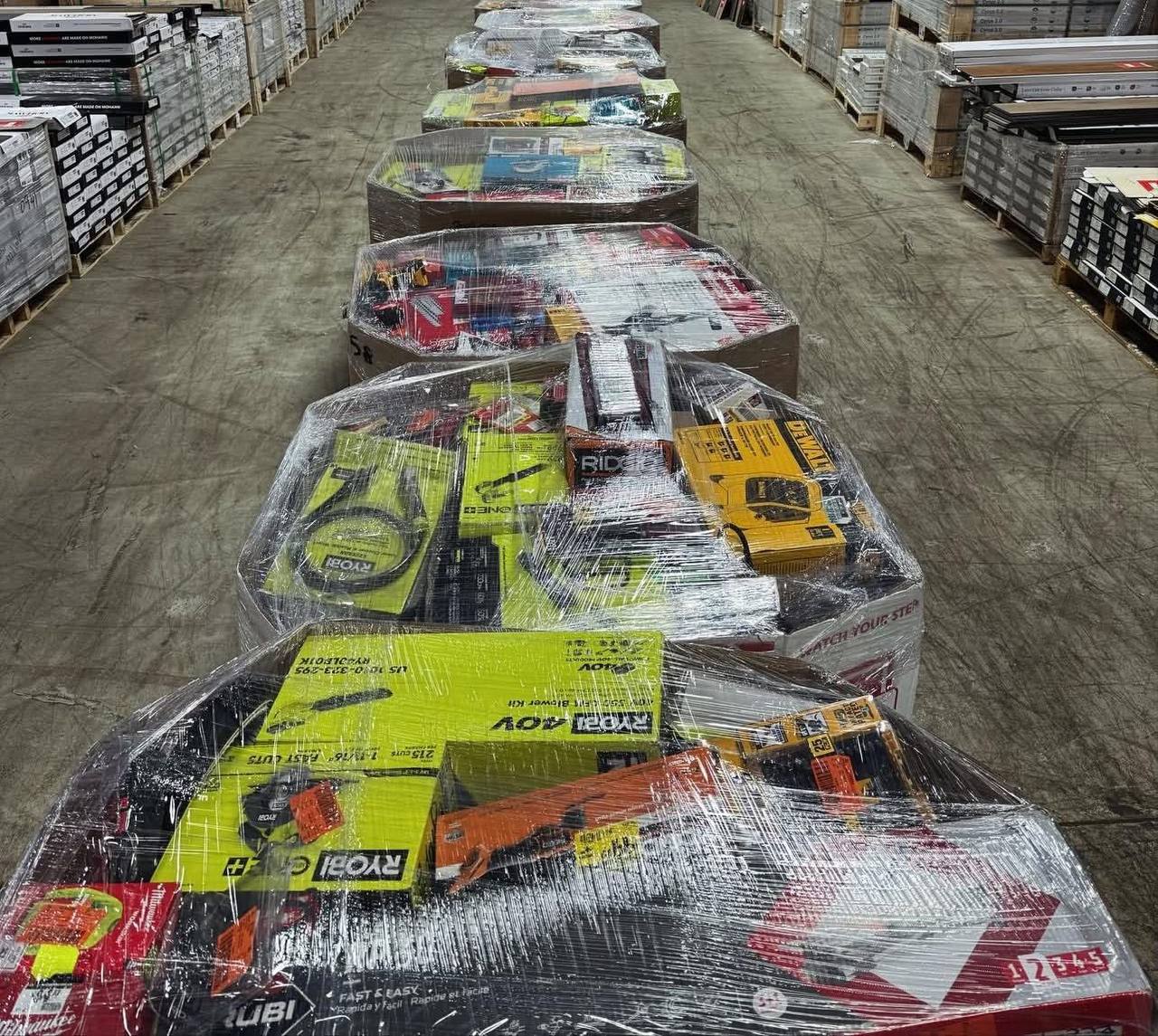


Key Takeaways
The market for Tool Liquidation Pallets offers significant commercial opportunity for savvy B2B buyers like you. We have covered the essentials for success:
- Transparency is King: Always demand a manifest to mitigate the risk of the “AS-IS Untested” nature of liquidation.
- Brand Value: Premium, brand-specific pallets (Milwaukee, RYOBI) provide stronger resale opportunities than generic lots.
- Profit Margins: Successful flipping can yield a strong 30–40% profit margin through smart purchasing and light refurbishment.
- Due Diligence: Leverage data from trusted sources, including our proprietary buyer’s guide and the latest U.S. government data on business liquidation and financing ($2.4$).
You are now equipped with the strategic knowledge to move forward confidently. The gap between knowing the process and profiting from it is a single, decisive action.
Your Inventory is Waiting: Why leave potential profit on the shelf for another buyer? View Our Manifested Tool Pallets and Request Your Wholesale Quote Today to secure high-margin inventory from a trusted supplier.
Tool Liquidation Pallets
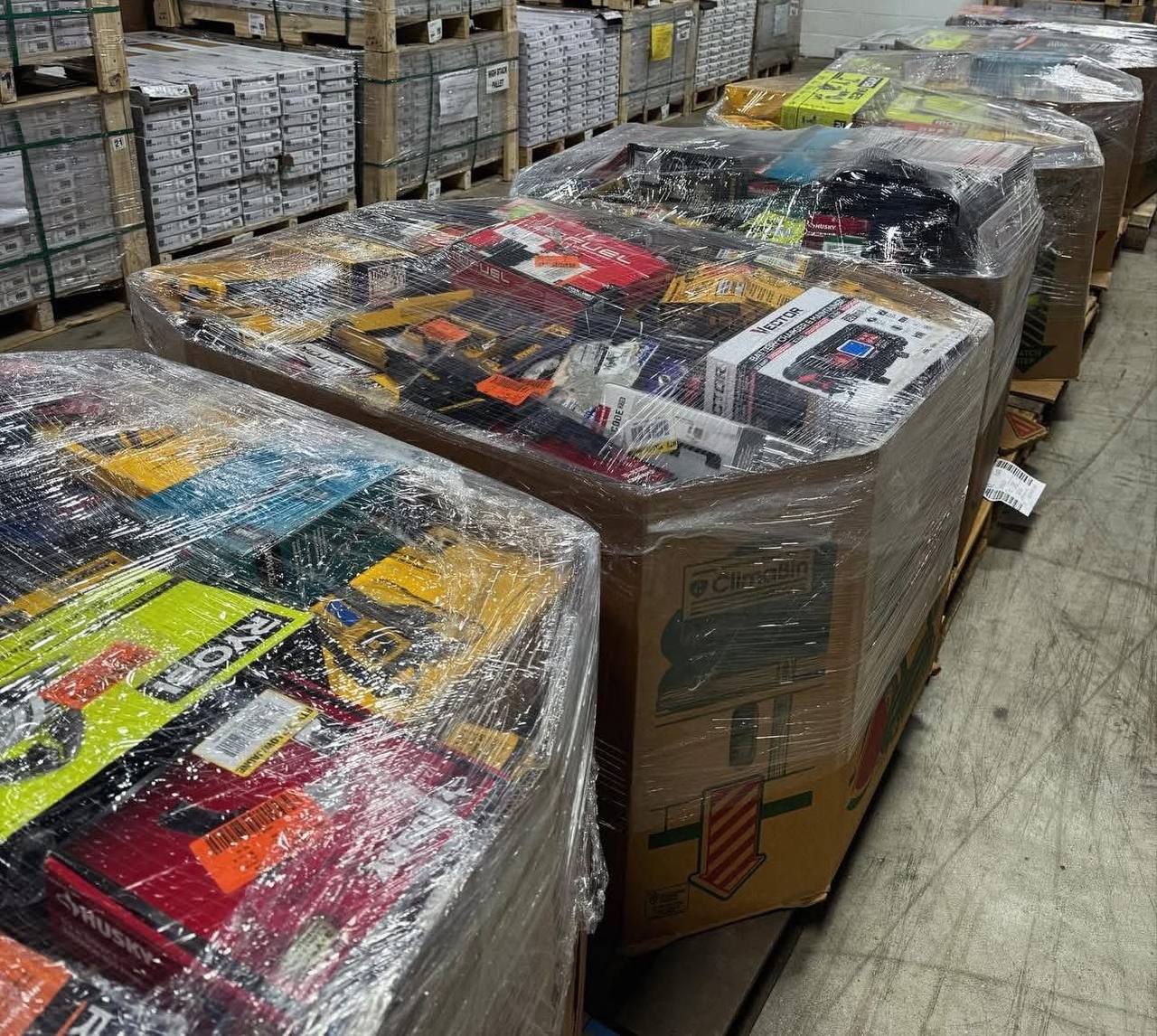
Tool Liquidation Pallets are bulk lots of tools and equipment sold off by major retailers, manufacturers, or distributors who need to clear inventory quickly. This process is known as liquidation and typically involves selling assets at significantly reduced rates to recoup costs, as detailed in reports on liquidation value ($1.2$). For you, the reseller, this translates to buying tools at pennies on the dollar.
These pallets originate from a few main sources that directly influence the condition and potential value of your purchase:
- Customer Returns: Items bought and then returned by the customer, often within a short return window.
- Overstock: Brand new, unopened items that a retailer ordered in excess and needs to clear to make room for new inventory.
- Shelf Pulls: Items removed from store shelves, usually because the packaging is damaged or the product has been discontinued.
The significant value proposition is the high discount potential. Tools hold their value better than many other consumer goods, meaning the gap between your purchase price and the eventual resale price is often wider. This is the core engine of your profit margin.
How To Buy Tool Pallets And Secure The Best Deals? (H2)
Securing the best deals on tool pallets requires a strategic, step-by-step approach that prioritizes due diligence over impulse buying. This is where the principles of savvy sourcing and negotiation become crucial for maximizing your margin.
The first essential step is to define your market. Will you focus on high-end, brand-specific tools for professional contractors, or low-cost, mixed-lot tools for a local flea market audience? Your target market dictates the type of pallet you should source.
Next, you need to find reliable, direct sources. Traditional “jobbers” often increase prices, which is why sourcing directly from a proven bulk supplier or a major liquidation platform is always recommended. This minimizes middlemen costs and provides greater transparency, a key element of establishing a trustworthy supply chain ($3.3$).
The Best Tool Pallet Deals Checklist
We want you to start earning profits quickly. That is why Largo Pallets provides a free, essential checklist to guide your purchasing decisions. This resource helps you evaluate manifests, compare supplier ratings, and master negotiation techniques.
- Step 1: Research Market Value: Use online sales data to determine the Fair Market Value (FMV) of the tools you are buying.
- Step 2: Scrutinize the Manifest: Look for a high percentage of Grade A or Overstock items versus raw Customer Returns.
- Step 3: Calculate True Cost: Factor in the unit price, shipping, and any potential repair costs.
- Step 4: Verify Seller Authority: Choose a supplier who can demonstrate a reliable, high-volume relationship with major retailers.
| Pallet Type | Estimated Discount from Retail (Avg.) | Key Reseller Risk | Ideal Resale Channel |
| Overstock (New) | 50% – 65% | Minimal, but requires storage space | Amazon FBA, eBay |
| Customer Returns (Untested) | 70% – 85% | High damage/non-working rate | Local auction, Repair & Resell |
| Brand-Specific (e.g., Milwaukee) | 60% – 75% | High unit price for initial investment | Specialized contractor forums |
Actionable Takeaway: Ready to make your move? Our free buyer’s guide and tool pallet checklist is your negotiation edge. Download Your Free Tool Pallet Checklist and Buyer’s Guide to find your ideal wholesale lot—complete with supplier ratings and negotiation tips.
Where Can I Buy Pallets Of Tools Near Me?
The most effective strategy for buying Tool Liquidation Pallets involves balancing the cost benefits of online sourcing with the physical inspection advantages of local venues. Where you buy directly impacts your freight costs and your ability to verify the inventory condition before a purchase.
You have three primary sourcing channels available:
- Direct Liquidation Wholesalers (Like Largo Pallets): These vendors offer the highest transparency and often provide categorized, manifested loads. The purchase is typically online, but they manage the logistics.
- Major Retailer Liquidation Auction Platforms: High volume, high competition, and often blind bids, but they offer the lowest acquisition price.
- Local Tool Liquidation Stores and Auctions: Allows for physical inspection, minimizing risk, but the price per unit is often higher because a middleman has already sorted or “cherry-picked” the inventory.
The benefit of major online marketplaces is the consistent, large supply; however, local liquidation stores or smaller tool liquidation stores near me can offer unique, smaller lots that are easier to handle for new resellers.
| Sourcing Channel | Pros (The Upside) | Cons (The Risk) | Ideal Reseller Profile |
| Online Wholesaler (Largo Pallets) | Manifested inventory, high volume, transparent pricing. | Shipping costs can be a factor. | High-volume resellers, experienced buyers. |
| Local Liquidation Store | Can physically inspect inventory to verify condition. | Pallets may be “cherry-picked” (best items removed). | New resellers, local small-scale flippers. |
| Major Online Auction | Lowest acquisition price, sheer volume of options. | High competition, mandatory freight costs, often no returns. | Experienced bidders, those with repair capability. |
Validation: We suggest a hybrid approach: source large, profitable, manifested lots from trusted online partners and use local sources to fill in inventory gaps or find specialized equipment.
What Are The Different Types Of Tool Pallets For Sale?
Not all tool pallets are created equal. As a commercial buyer, you must understand the categories and associated risk profiles to protect your margin. The market primarily categorizes inventory into three types: mixed tools, brand-specific tools, and power tool-focused pallets.
The term you will see most often is “AS-IS Untested Customer Returns.” This means the retailer is offering no guarantee of functionality or completeness. It is your responsibility to test and repair. This is where your expertise (the ‘E’ in E-E-A-T) comes into play—your ability to efficiently test, repair, and re-certify tools is the key value add of your business model.
What Are The Characteristics Of Tool Return Pallets?
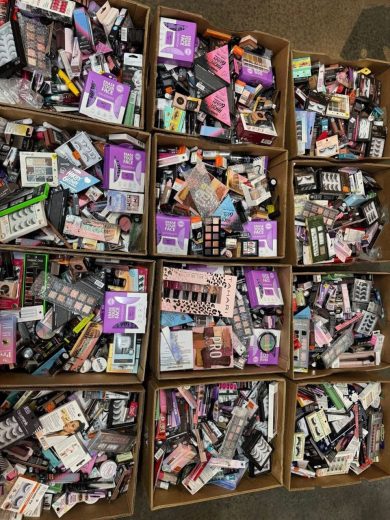
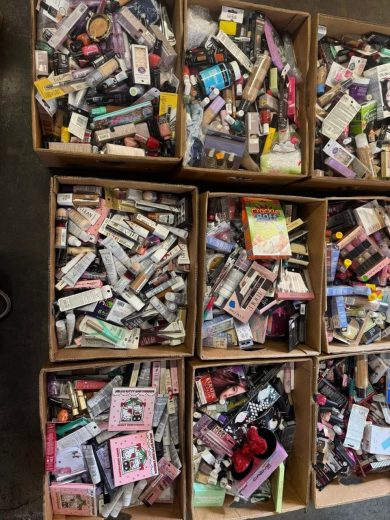
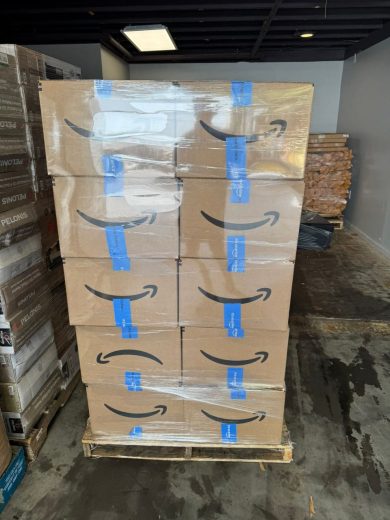
Tool return pallets are the most common and highest-risk/highest-reward inventory source. They typically feature a wide variety of items from multiple departments, which can include functional tools, partially broken units, and occasionally empty boxes.
- Condition: Items range from new (unopened box) to salvage (broken, missing parts).
- Completeness: Expect missing accessories, manuals, or even essential components.
- Variety: They are usually not category-specific. You might find a power drill next to a set of screwdrivers and a garden hose nozzle.
In contrast, overstock tool pallets contain items in new, retail-ready condition and are simply surplus. While the discount is often lower, the resale effort is minimal, making them a profitable, low-risk foundation for your inventory.
What Is The Potential Profit From Flipping Tool Pallets?
The business of buying and reselling, or “flipping,” liquidation Tool Liquidation Pallets is built on the concept of capturing the spread between the liquidation price and the used market value. This is a robust business model that can support significant growth.
Your potential for high returns on investment (ROI) stems from a combination of bulk savings and smart inventory management. When you purchase in bulk, your cost per unit plummets, and by selling those units individually at market price, you generate a strong profit margin ($3.2$).
Successful resellers often achieve margins between 30% and 40% on their gross sales. The key differentiator for a high-profit reseller is the efficiency of their back-end process—testing, cleaning, minor repair, and high-quality photography.
| Tool Pallet Investment Scenario | Example Pallet Cost | Estimated Retail Value (ERV) | Estimated Resale Revenue (70% of ERV) | Projected Gross Profit |
| Basic Mixed Returns | $800 | $4,500 | $3,150 | $2,350 |
| Premium Power Tools (Manifested) | $3,500 | $12,000 | $8,400 | $4,900 |
| Overstock Hand Tools | $1,500 | $5,000 | $4,000 | $2,500 |
Context: This table illustrates potential profit scenarios based on different investment levels and pallet types. Note that the Estimated Resale Revenue (ERR) is a conservative estimate, accounting for non-working units, and does not factor in shipping or operational costs.
Outcome Focus: By focusing on manifested pallets with high ERV, you actively work to maximize your margin and reduce the risk of returns, creating a sustainable and scalable business.
Is Tool Pallet Flipping A Side Hustle Or A Full Time Business?
The beauty of the tool pallet flipping model is its scalability. It can genuinely start as a lucrative side hustle and organically evolve into a full-time, independent enterprise. The commitment level scales directly with your financial goals.
For many new buyers, it begins as a part-time venture, sourcing one to two pallets per month and selling the inventory on platforms like eBay or at local markets. For this target audience—hobbyists and new resellers—the focus is on learning the grading and repair process.
However, once you establish a reliable supply chain, like partnering with Largo Pallets, and optimize your liquidation process, the model supports the leap to a full-time, small-business owner. This requires shifting your focus from local sales to high-volume online platforms and possibly hiring staff for testing and shipping. The principles of a successful business remain the same, whether small or large. The U.S. Small Business Administration provides a wealth of resources on establishing this foundation ($2.4$).
What Comes In A Milwaukee Tools Liquidation Pallet?
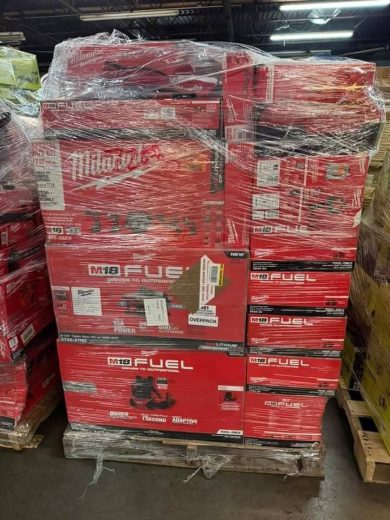
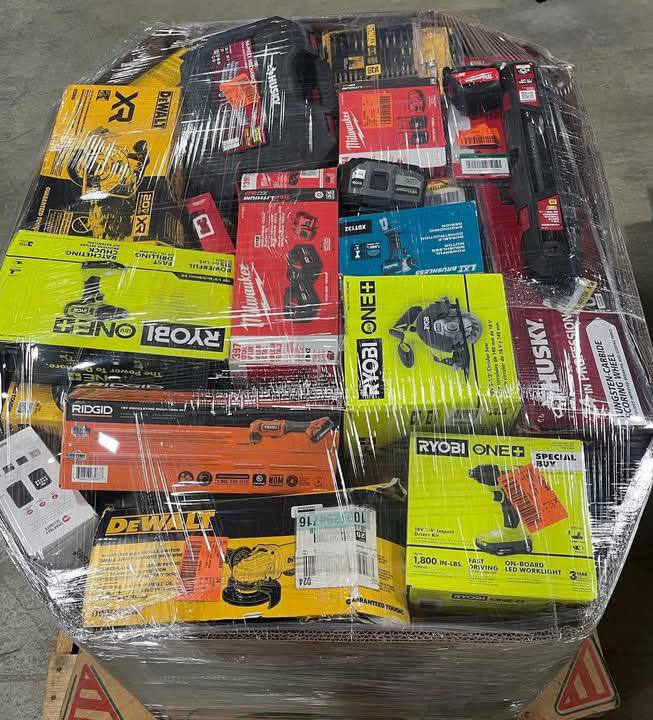
For professional resellers, brand-name pallets represent a unique opportunity. A Milwaukee Tools Liquidation Pallet, for instance, is highly desirable due to the brand’s reputation for premium quality, which translates to a high resale value and strong demand among professional contractors.
A typical Milwaukee lot will contain a strategic mix of inventory:
- Premium Power Tools: Drills, impact drivers, saws, and grinders.
- M12/M18 Batteries and Chargers: These are high-demand consumables that sell fast.
- Hand Tools and Accessories: Tool storage, levels, and specific brand-name accessories.
When a lot is brand-specific, the inventory tends to be more cohesive and easier to liquidate through niche channels. While the initial investment for a premium brand pallet is higher, the certainty of resale demand mitigates much of the risk.
Why Choose Our Milwaukee Liquidation Pallets?
Largo Pallets excels in delivering high-value, brand-specific liquidation inventory. We differentiate ourselves by offering greater transparency and assurance than a typical blind auction.
- Quality Assurance: We prioritize lots with a higher percentage of Open Box and Tested-Working grades over raw, untested returns.
- Premium Selection: Our partnerships ensure a consistent supply of in-demand, brand-name power tools, not just low-value hand tools.
- Dedicated Support: Our team provides detailed manifest interpretation and logistical support, reducing your freight risk.
Do not settle for generic, unmanifested returns when your customers demand premium brand quality.
Conversion Opportunity: Order your Milwaukee Tools Liquidation Pallet today and unlock unmatched value on premium power and hand tools—limited stock available! Check Availability Now and Secure Your Pallet.
Other Brand Specific And Specialized Tool Pallets
While Milwaukee is a gold standard, a diversified inventory strategy includes other high-demand brands and specialized equipment lots. Expanding your inventory to brands like RYOBI and RIDGID ensures you capture a broader market share, from the DIY enthusiast to the semi-professional.
Specialized liquidation pallets focus on a single category, such as Outdoor Power Equipment Pallets. These often contain seasonal items like lawnmowers, pressure washers, snow blowers, or chainsaws, which command a high price during peak season. This strategy requires good market timing but can yield exponential profit growth.
What Is Included In A RYOBI Tools Pallet?
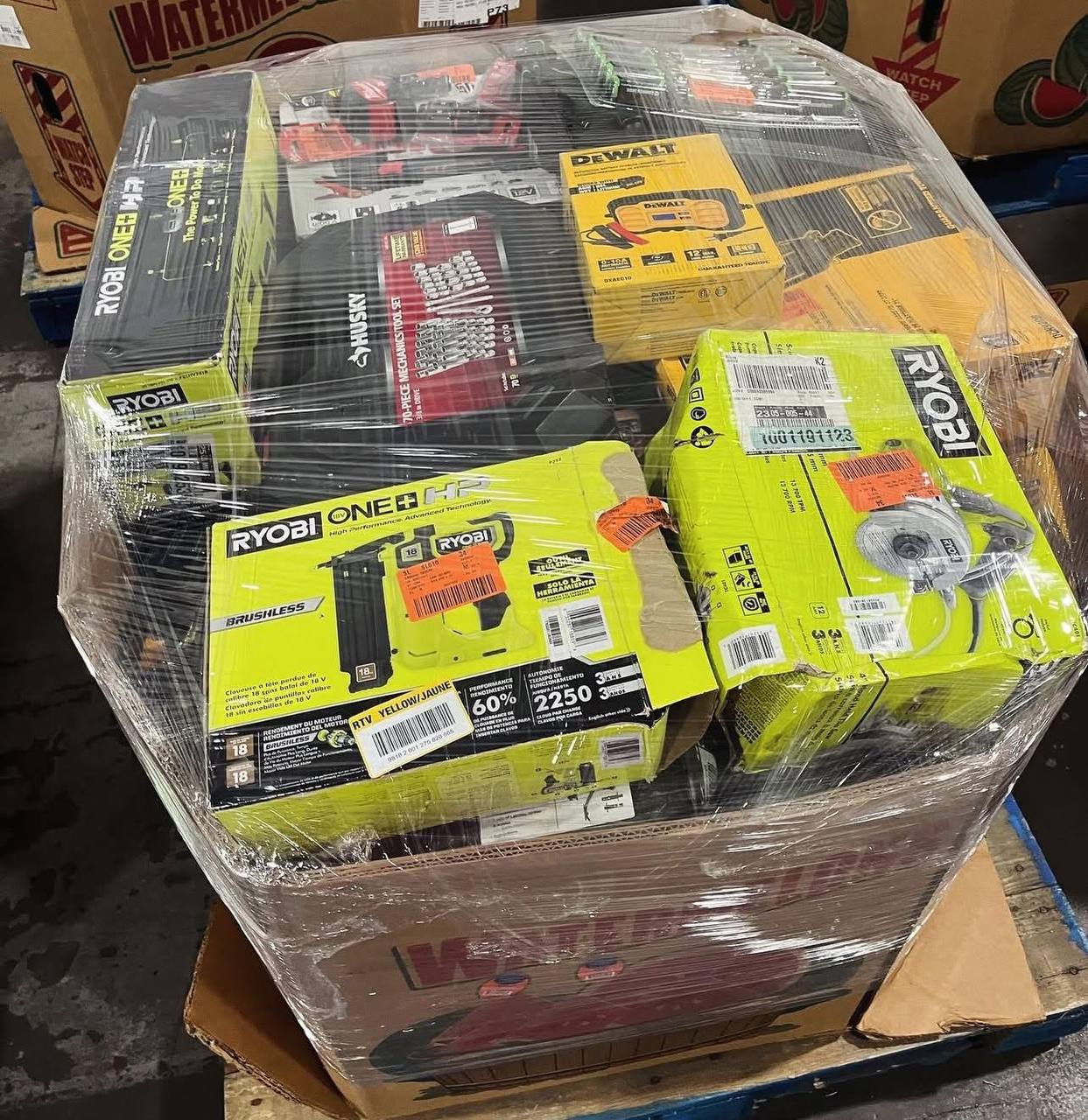
RYOBI tools offer excellent profit potential by targeting the high-volume, cost-conscious consumer market. A typical RYOBI pallet will include:
- DIY Power Tools: Smaller impact drivers, finishing sanders, and specialized workshop equipment.
- One+ System Batteries: Like Milwaukee, the batteries and chargers are a fast-moving, high-demand product segment.
- Outdoor & Garden Equipment: Trimmers, blowers, and portable vacuums.
All RYOBI lots from liquidation sources are typically sold under an “AS-IS” condition, often tied to a specific Lot ID. Your expertise in quality control allows you to convert this raw, unknown inventory into guaranteed working units, building a reputation for trust.
Why Outdoor Power Equipment Pallets Are Worth Buying?
Outdoor Power Equipment (OPE) pallets, particularly those featuring items like GAS PRESSURE WASHER PALLETS, are an essential seasonal buy. They present a high-value opportunity because the unit price of items is often higher than general hand tools. The seasonal rush for these items allows for a quick turnover and minimal holding cost, provided you buy at the right time.
- High Unit Value: Pressure washers, generators, and lawn equipment retail for hundreds of dollars, meaning fewer units need to be sold to turn a profit.
- Clear Demand Cycle: Purchase during the off-season (fall/winter) at maximum discount and resell during the peak season (spring/summer) at a premium.
This specialization is a smart move for resellers looking to diversify away from general electronics.
How Does Power Tool Liquidation Compare To General Tool Pallets?
Power Tool Liquidation is fundamentally different from purchasing a general mix of hand tools. The core value of a pallet shifts from sheer quantity to the quality and concentration of high-value units.
| Feature | Power Tool Pallets | General Hand Tool Pallets |
| Average Unit Value | High ($50 – $400+) | Low ($5 – $30) |
| Resale Audience | Contractors, professional tradespeople, serious hobbyists. | DIYers, home-owners, general consumers. |
| Required Expertise | Testing electronics, battery integrity, and motor function. | Basic inspection for wear and tear. |
| Risk/Reward Profile | Higher risk, significantly higher reward. | Lower risk, smaller but steadier profit. |
Power tools are a major purchase for consumers and professionals, and they retain a significant portion of their original cost. While the repair expertise required is greater, the potential ROI on successful refurbishment is unmatched.
What Is The Significance Of Power Tool Return Pallets?
Power tool returns carry the highest risk/reward. The main reasons for return often involve complex issues: a faulty battery, a non-functional charger, or an internal electronic failure. The original retailer liquidates these items quickly because they lack the capacity to test and repair them efficiently.
For the savvy reseller, this is where the money is made. You buy a pallet where the Estimated Retail Value is high, and your ability to diagnose and replace a single component converts a low-value, broken item into a high-value, functional one. This showcases true expertise and is the essence of a value-add liquidation business.
What Is The Role Of Tool Liquidation Stores Near Me?
The brick-and-mortar component of liquidation, the local store or outlet, serves as a vital bridge between online bulk purchasing and the final consumer. These stores often purchase bulk lots from wholesalers like Largo Pallets and then sort, test, and sell the items individually or in smaller, curated lots.
If you are a reseller starting out, visiting a local store provides an invaluable education:
- Condition Analysis: See first-hand what “Grade B” or “Open Box” really looks like.
- Pricing Benchmarks: Understand the final retail price that a slightly used or refurbished tool can command.
- Testing Procedures: Observe how professionals efficiently test power tool functionality.
While buying locally costs more than bulk direct, the experience of a local visit helps you build the necessary commercial expertise before you invest in a full truckload. This focus on verifiable data aligns with the E-E-A-T principle of building expertise through direct experience.
Frequently Asked Questions About Tool Liquidation Pallets
We believe in full transparency and addressing the key concerns that drive buyer uncertainty.
Are Tool Liquidation Pallets A Good Investment For Resellers?
Yes, Tool Liquidation Pallets represent an excellent investment, provided the buyer commits to due diligence and quality control. The demand for quality tools, both new and used, remains consistently high among contractors and homeowners. By purchasing a pallet at a 70–85% discount, you create a buffer for non-working items while still securing a high profit margin on working inventory. The key is in the manifest: verify the inventory and ensure the gross value justifies the price.
What Is The Smartest Way To Source Tool Pallets For Resale?
The smartest sourcing method is the Manifest-First Strategy. This involves prioritizing suppliers who provide a detailed inventory manifest—an itemized list of contents, condition, and estimated retail price (ERP). This documentation is crucial for calculating your worst-case and best-case profit scenarios before you bid, transforming a risky venture into a calculated business decision. Always compare the manifest data against current market trends, utilizing resources from respected financial institutions ($1.7$).